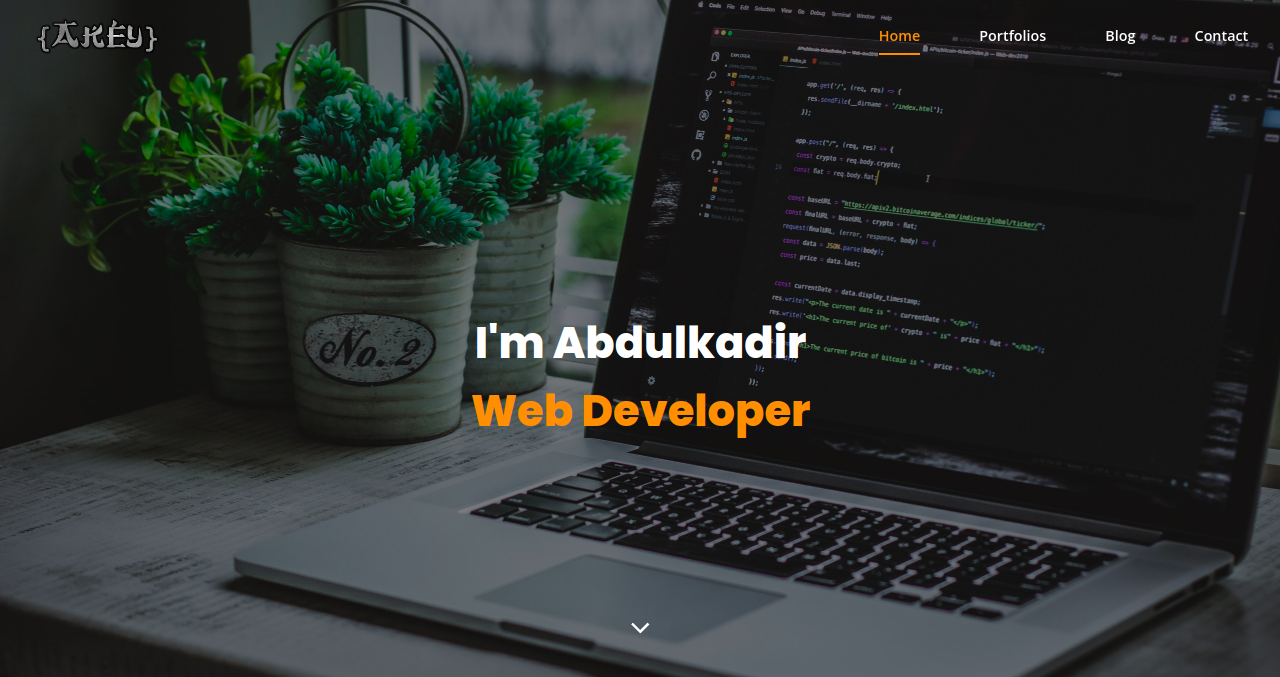
Whether you’re a web developer aiming to land your dream job, a freelancer in search of high-value clients, or an entrepreneur looking to establish a thriving web development business, a compelling online presence is your key to success. In this blog post we’ll focus on creating a powerful online presence, with particular emphasis on web development. Let’s start by emphasising the significance of a robust online presence.
The Significance of a Strong Online Presence
The creative industries are highly competitive, and the ability to distinguish yourself from the crowd is crucial. A strong online presence is your gateway to achieving this distinction. It serves as your digital portfolio, your professional identity, and the window through which potential employers, clients, and peers can assess your skills and expertise.
Having a well-crafted online presence can make all the difference in the following scenarios:
- Job Seekers: If you’re looking to kick-start your career as a web developer, your online presence can be the bridge between being just another applicant and being the standout candidate. A well-maintained LinkedIn profile and a portfolio website can significantly enhance your chances of landing your dream job.
- Freelancers: For freelancers in web development, your online presence is essentially your marketing tool. It can attract high-value clients, helping you build a client base that values your expertise and the quality of your work.
- Entrepreneurs: If you’re an entrepreneur looking to start your web development business, a strong online presence can serve as your storefront. It showcases your capabilities, the range of services you offer, and the quality of your work, giving potential clients the confidence to choose you as their web development partner.
Now, let’s explore the key components of creating a strong online presence.
Craft an Engaging Website
Your website is your digital home, the primary destination for anyone interested in your services. It’s essential to have a website that’s not only user-friendly but also engaging. Your website should reflect your professionalism and your dedication to your craft. Consider the following elements:
- User-Friendly Design: A clean and easy-to-navigate design is crucial. Your website should create a positive user experience, ensuring that visitors can quickly find the information they seek.
- Showcase Your Work: A portfolio section is a must. Use it to highlight your best projects. Include high-quality images, detailed project descriptions, and even case studies that provide insights into your skills and the outcomes you’ve achieved.
- About Page: The “About” page is an opportunity to connect on a personal level with your audience. Share your background, experiences, and the journey that led you to become a web developer. This human touch can make a significant difference in building trust.
- Contact Information: Make it easy for visitors to get in touch with you. Include a contact form, your email address, and links to your social media profiles.
Your website serves as the centrepiece of your online presence, so investing in its design and content is a critical step.
Here, you’ll discover a collection of portfolio websites to spark your creativity and inspiration.
Define Your Web Development Niche and Target Audience
Web development is a diverse field, encompassing various areas of expertise. It’s important to define your specific niche within web development. Ask yourself, are you most skilled as a front-end developer, responsible for creating visually engaging interfaces that users interact with? Or do you excel as a back-end developer, managing the server-side logic and databases that power websites and applications? Perhaps you’re a full-stack developer, equally proficient in both front-end and back-end technologies.
By defining your niche, you can tailor your online presence to showcase your expertise effectively. Your specialisation makes you stand out as a professional who excels in a particular aspect of web development.
Additionally, understanding your target audience is paramount. Consider who your potential employers or clients are, what their unique needs and preferences are, and what specific challenges they face. Customising your online presence to address these unique requirements enhances its effectiveness.
What social media platform is best suited for creative professionals like web developers looking to establish an online presence?
For web developers and creative professionals, the choice of the most suitable social media platform to build an online presence may vary, but some platforms are particularly beneficial. Here are a few options:
LinkedIn is a powerhouse when it comes to showcasing your professional side. It allows you to create a comprehensive profile that demonstrates your skills and achievements. To make the most of this platform:
- Complete Your Profile: Ensure your LinkedIn profile is complete and up-to-date. This includes a professional head shot, an engaging headline, detailed work experience, and a well-crafted summary that tells your professional story.
- Share Your Work: Use the “Projects” section on LinkedIn to showcase your web development projects. Provide descriptions and links to show your work and skills in action.
- Engage with the Community: Join relevant web development groups and engage in discussions. Comment on and share valuable content to demonstrate your expertise and engage with peers and potential employers or clients.
- Recommendations and Endorsements: Don’t hesitate to request recommendations from colleagues or clients who can vouch for your skills and professionalism. Endorse the skills of your connections, and expect endorsements in return.
Twitter is an excellent platform for staying updated with industry trends and connecting with like-minded individuals in the creative industries, including web developers. To leverage Twitter effectively:
- Craft a Professional Bio: Create a concise and professional bio that explicitly states your role as a web developer and your specific areas of expertise.
- Share Your Expertise: Tweet about web development trends, share your knowledge, and engage in conversations with industry experts. Utilise relevant hashtags to increase your visibility and reach a broader audience.
- Follow Industry Leaders: Identify influential figures in the web development and creative industries and follow them. Engaging with their content can bring you to their attention and connect you with their followers.
- Visual Content: Visual content, such as images and videos of your web development projects, code snippets, or events you attend, can be particularly engaging on Twitter.
GitHub
GitHub is a developer’s paradise for hosting and collaborating on web development projects. It offers web developers a dedicated space to showcase their coding skills, collaborate with peers, and contribute to open-source projects. To maximise your GitHub presence:
- Create a Robust Profile: Your GitHub profile is an extension of your professional identity. Craft a profile that includes a clear profile picture, a descriptive bio, and a record of your contributions to open-source projects.
- Contribute to Projects: Actively participate in open-source projects to demonstrate your coding skills and your dedication to the web development community. These contributions underscore your commitment to the field.
- Create Your Repositories: Display your web development projects by creating repositories on GitHub. Include detailed README files to guide visitors through your code and project documentation.
- Collaborate: Collaboration is a crucial aspect of web development. Collaborate with other developers on projects, demonstrating your teamwork and collaboration skills, both of which are highly valued in the industry.
Sharing Your Knowledge
Sharing your knowledge is a fundamental aspect of a strong online presence. It positions you as an authority in your niche and provides value to your audience. Consider these content creation approaches:
- Blogging: Regularly publish blog posts on web development topics, trends, and your experiences. Share your insights, best practices, and solutions to common challenges in the industry.
- Tutorials: Create detailed how-to guides and tutorials on web development. These not only demonstrate your expertise but also provide valuable resources for your audience, such as aspiring developers looking for guidance.
Engage and Network
Networking is an essential part of building a strong online presence in web development and the creative industries. Connect with fellow web developers, attend web development events, and explore opportunities for collaboration. Collaborative projects, open-source contributions, and co-hosted webinars can introduce you to new audiences and establish your authority in your niche.
Building a robust network also provides you with access to valuable insights and resources. You can gain new perspectives, learn about industry trends, and uncover opportunities that you might not have come across otherwise.
Online Reputation Management
Effective management of your online reputation is vital. Positive reviews and feedback enhance your credibility, while negative comments can tarnish your reputation. To manage your online reputation effectively:
- Encourage satisfied clients, colleagues, or collaborators to leave positive reviews on your LinkedIn profile or relevant platforms. These reviews serve as social proof of your capabilities.
- Respond professionally to any negative feedback and actively address concerns or issues. This proactive approach demonstrates your commitment to providing a high level of service.
- Monitor your online mentions and brand references to stay informed about what people are saying about your web development work. This awareness allows you to address issues swiftly and maintain a positive online image.
Be Authentic and Transparent
In the creative industries, authenticity is paramount. Be genuineness and transparent in your online interactions. Authenticity builds trust, and trust is the foundation of strong professional relationships. When you convey your passion for web development and the creative industries sincerely, it resonates with your audience and sets you apart as a professional who genuinely cares about their craft.
Conclusion
A strong online presence is a combination of a well-designed website, engaging content, effective use of social media platforms like LinkedIn and Twitter, active participation on platforms like GitHub, and authentic engagement with your audience. As a web developer, your online presence can be the bridge between your current status and your dream job, high-value clients, or a flourishing freelance career. By following the tips and strategies outlined in this extended discussion, you can create an online presence that not only gets you noticed but also establishes you as a trusted expert in web development and the broader creative industries.
Remember that building a strong online presence is an ongoing process. Stay committed, stay authentic, and stay engaged with your audience. Your efforts will pay off, opening doors to exciting opportunities and a successful career in web development and the wider world of the creative industries. Your journey to a remarkable online presence begins now.


 using WordPress and
No responses yet